
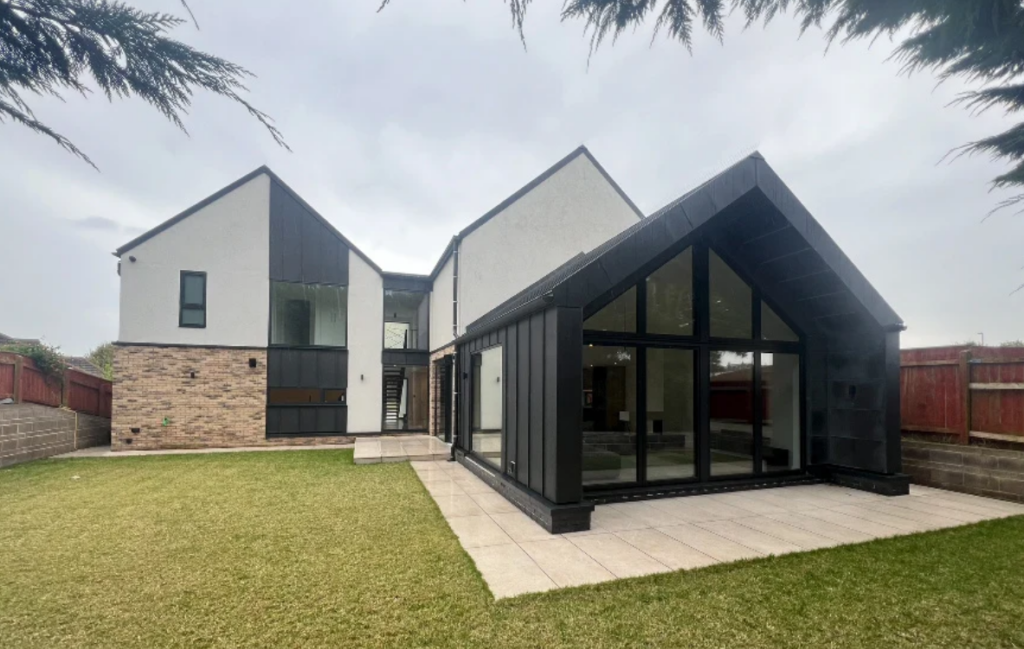
Residential Architecture: Planning, Designs, and Styles Explained for Modern Homeowners
Ever dreamed of building or renovating a home that perfectly fits your lifestyle? Residential architecture is the magic behind turning those dreams into reality. It’s more than just walls and roofs—it’s about creating spaces that feel like you. In this guide, we’ll dive into the essentials of residential architecture planning, explore popular house designs and architectural styles, and share tips to make your project a success. Whether you’re a first-time buyer or a design-savvy homeowner, understanding these basics will help you navigate the process with confidence.
Why Residential Architecture Matters Today
In today’s fast-paced world, homes aren’t just shelters; they’re sanctuaries. Residential architecture blends functionality, beauty, and sustainability to meet modern needs. Think energy-efficient layouts that cut utility bills or open-plan designs that bring families together.
Good home planning starts with your vision. Do you crave a cozy bungalow or a sprawling villa? Factors like family size, budget, location, and climate play huge roles. For instance, in hot regions like Rajasthan, architects prioritize cross-ventilation and shaded courtyards in their house designs. According to recent trends from platforms like Houzz, 70% of homeowners now seek sustainable residential architecture with features like solar panels and rainwater harvesting. This shift isn’t just eco-friendly—it’s smart investing.
The Key Stages of Residential Architecture Planning
Home planning is a step-by-step journey. Skipping any phase can lead to costly mistakes, so let’s break it down.
1. Initial Concept and Site Analysis
Everything begins with your site. Architects assess soil type, sunlight patterns, and neighborhood rules. For a 1,500 sq ft plot, they might sketch floor plans that maximize natural light while respecting setbacks.
Pro tip: Use tools like SketchUp for quick 3D visualizations. This helps spot issues early, like poor drainage in monsoon-prone areas.
2. Budgeting and Material Selection
Set a realistic budget—typically 40% for construction, 20% for finishes, and 10% for surprises. Opt for local materials like sandstone in Jaipur for authentic traditional architecture vibes that also save on transport costs.
3. Design Development and Approvals
Here, rough sketches evolve into detailed blueprints. Incorporate zoning laws and get nods from local authorities. Digital tools like AutoCAD ensure precision in custom home builds.
4. Construction and Final Touches
Hire reliable contractors and monitor progress. Smart residential architecture planning includes phased inspections to avoid rework.
By following these steps, your house designs will not only look stunning but also stand the test of time.
Popular House Designs in Residential Architecture
House designs come in endless varieties, each suited to different lifestyles. Let’s explore some crowd favorites.
Open-Plan Layouts
Gone are the days of boxed-in rooms. Open-plan modern home designs merge kitchens, living areas, and dining spaces into fluid zones. Ideal for entertaining, they make small homes feel spacious. Add sliding glass doors for indoor-outdoor flow—perfect for Indian backyards.
Multi-Story Townhouses
Urban dwellers love these vertical residential architecture gems. They pack efficiency with rooftop terraces and home offices, saving precious ground space.
Courtyard Homes
Rooted in traditional architecture, these feature central courtyards for privacy and ventilation. In Rajasthan, haveli-style house designs use this to beat the heat naturally.
Eco-Friendly Bungalows
Sustainable house planning shines here. Single-story bungalows with green roofs and passive cooling reduce energy use by up to 30%, per LEED standards.
Choose based on your plot size and needs. A family of four might thrive in a 3BHK with a home theater nook.
Timeless Architectural Styles for Your Home
Architectural styles define a home’s personality. From classic to cutting-edge, here’s a rundown of top picks in residential architecture.
Traditional Styles
-
Colonial Architecture: Symmetrical facades, tall columns, and verandas. Think British-era bungalows with jharokhas for that Rajasthani twist.
-
Victorian: Ornate details, steep roofs, and bay windows. Great for heritage lovers wanting character-filled house designs.
These evoke warmth and history, blending seamlessly with local traditional architecture.
Modern and Contemporary Styles
-
Minimalist Modern: Clean lines, flat roofs, and glass walls. Modern home designs prioritize simplicity—less clutter, more zen.
-
Contemporary: Fluid forms with smart tech integration. Curved walls and LED lighting make it future-proof.
Popular in cities, these residential architecture styles cut maintenance while boosting resale value.
Sustainable and Fusion Styles
-
Vernacular: Uses regional elements like jaali screens for airflow. Jaipur’s stepwells inspire these eco-smart builds.
-
Biophilic Design: Brings nature indoors with living walls and skylights. It’s a rising star in sustainable house planning.
Mix styles for a fusion look—modern base with traditional motifs—for a unique home.
| Style | Key Features | Best For | Word Count Tip |
|---|---|---|---|
| Colonial | Symmetry, verandas | Families, heritage areas | Timeless appeal |
| Minimalist Modern | Clean lines, glass | Urban singles | Low maintenance |
| Vernacular | Local materials, courtyards | Hot climates like Rajasthan | Eco-cost savings |
| Contemporary | Curves, tech | Tech-savvy millennials | High resale |
This table highlights quick comparisons to inspire your custom home builds.
Incorporating Trends in Residential Architecture
Stay ahead with 2026 trends. Smart home integration via apps controls lights and security. Modular house designs allow easy expansions, like adding a nursery.
Biophilic elements—plants, water features—boost mental health. And don’t overlook sustainable residential architecture: recycled materials and net-zero energy homes are non-negotiable for eco-conscious buyers.
In India, Vastu-compliant home planning merges ancient wisdom with modern architectural styles, ensuring positive energy flow.
Common Mistakes to Avoid in House Designs and Planning
Even pros slip up. Overlooking natural light leads to gloomy spaces. Ignoring scalability means future regrets when the family grows.
Budget creep from fancy finishes? Cap it at 15%. Always consult certified architects—DIY disasters cost double to fix.